
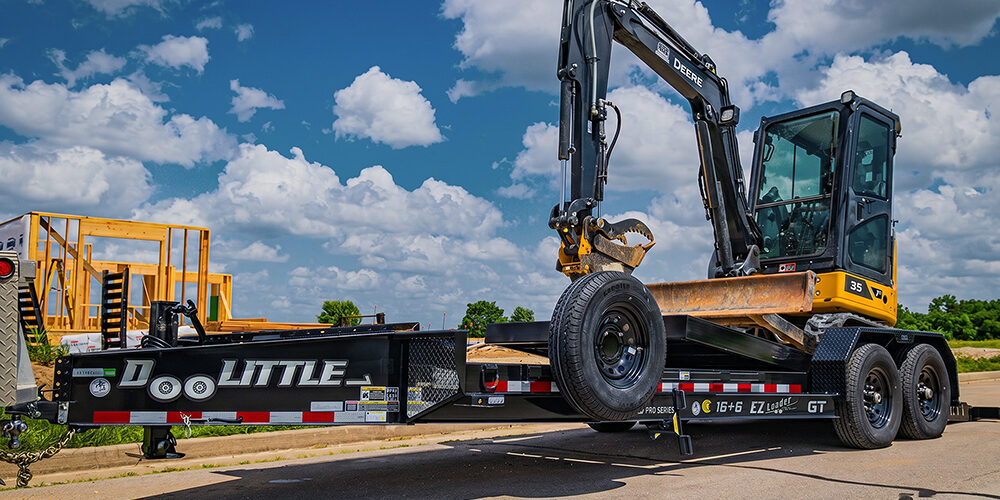
When it comes to hauling equipment efficiently, few trailer styles are as convenient and easy to use as a gravity tilt trailer. Designed to eliminate the need for loading ramps, gravity tilt trailers have become increasingly popular among contractors, landscapers, equipment operators, and construction crews who want faster loading and unloading with less hassle.
Unlike traditional equipment trailers that rely on heavy ramps, a gravity tilt trailer uses the weight of the equipment itself to tilt the deck downward for loading. This simple but effective design can improve safety, save time on the jobsite, and reduce maintenance compared to more complex trailer systems.
Whether you haul skid steers, mini excavators, compact tractors, or scissor lifts, understanding how gravity tilt trailers work can help you decide if this style of trailer is the right fit for your business.
How Does a Gravity Tilt Trailer Work?
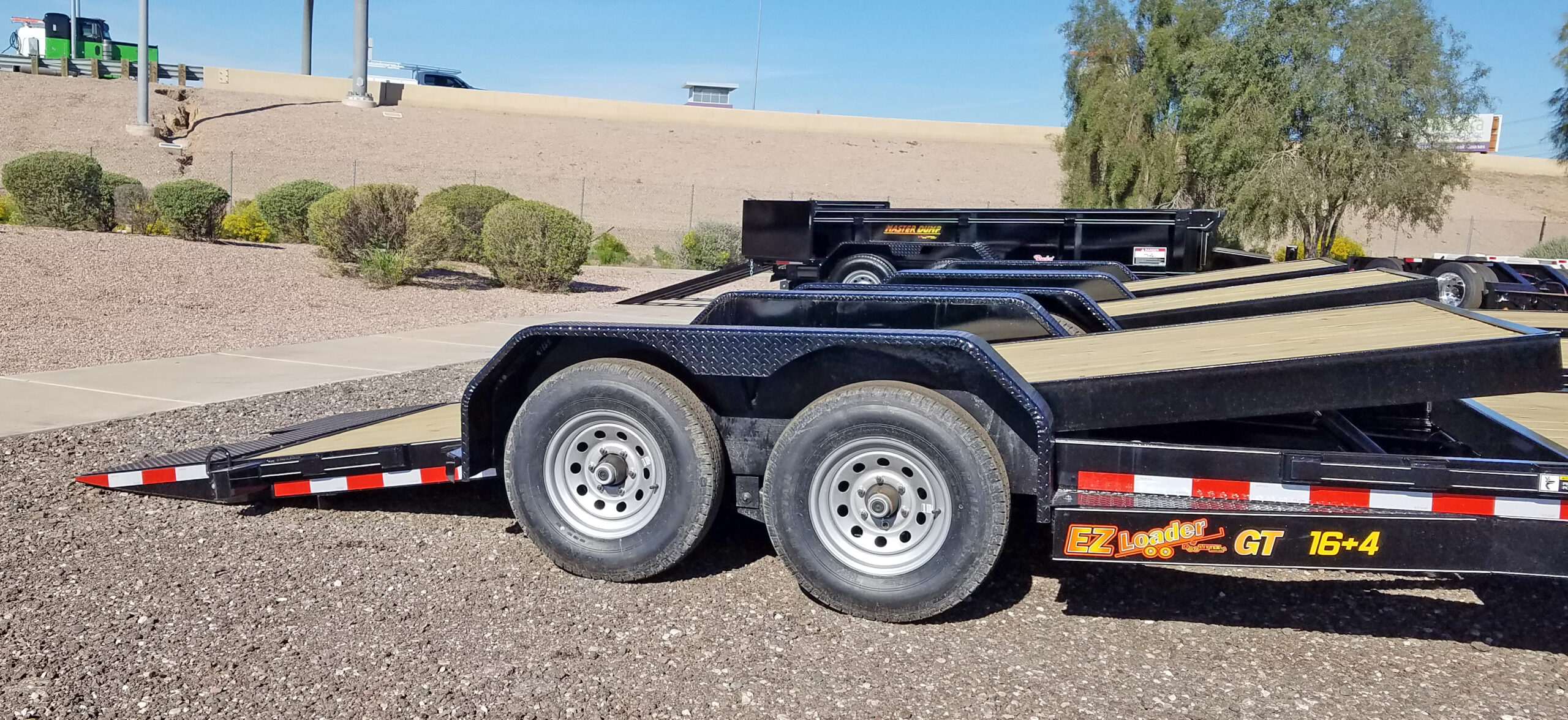
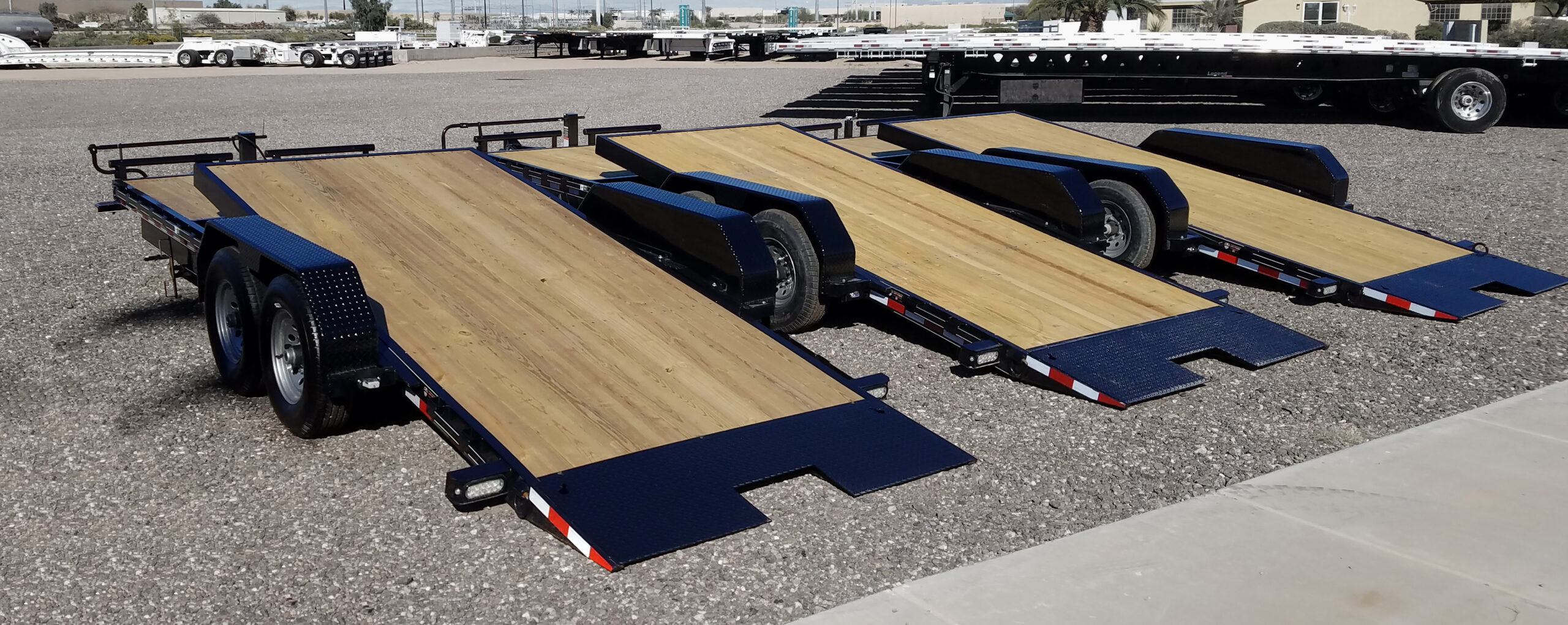
A gravity tilt trailer uses the balance point of the trailer deck to create a tilting action. When the deck lock is released, the rear portion of the trailer lowers to the ground while the front rises slightly. As equipment is loaded onto the deck, the trailer gradually levels itself back into transport position.
Because the system relies primarily on gravity and weight distribution, there are fewer hydraulic components and moving parts compared to hydraulic tilt trailers.
This creates several advantages:
- No heavy loading ramps to lift or store
- Faster loading and unloading
- Lower approach angle for equipment
- Simpler operation
- Reduced maintenance requirements
For many contractors, this simplicity is one of the biggest selling points.
Why Contractors Prefer Gravity Tilt Trailers
Contractors often load and unload equipment multiple times per day. Traditional ramp trailers can slow down operations and create extra physical work for the operator.
A gravity tilt trailer streamlines the process.
Instead of pulling pins and lifting ramps, operators can simply release the deck lock and drive equipment directly onto the trailer. This saves time while also reducing strain and improving overall convenience.
Gravity tilt trailers are especially popular with:
- Excavation companies
- Landscaping crews
- Concrete contractors
- Utility contractors
- Equipment rental businesses
- Farm and ranch operations
The easier loading process can become a major productivity advantage over time.
Gravity Tilt vs Ramp Equipment Trailers
One of the biggest advantages of a gravity tilt trailer is eliminating ramps altogether.
Traditional ramp trailers work well, but they come with several drawbacks:
- Heavy ramps can be difficult to lift
- Ramps take additional loading time
- Ramps can create steeper loading angles
- Mud and debris can build up around ramp hardware
- Operators must store and secure ramps during transport
Gravity tilt trailers avoid many of these issues by allowing equipment to load directly onto the deck.
For equipment with lower ground clearance, this can make a significant difference. Machines like scissor lifts, compact rollers, and low-profile skid steers often load more smoothly on a tilt deck than on steep ramps.
Gravity Tilt vs Hydraulic Tilt Trailers
Hydraulic tilt trailers use hydraulic cylinders to control deck movement, while gravity tilt trailers rely on balance and weight transfer.
Both designs have advantages, but gravity tilt trailers are often preferred by buyers who want simplicity and lower long-term maintenance.
Advantages of Gravity Tilt Trailers
- Fewer hydraulic components
- Lower maintenance costs
- Simpler operation
- Reliable mechanical design
- Typically lighter overall trailer weight
Advantages of Hydraulic Tilt Trailers
- More deck control
- Can tilt without equipment weight
- Better for certain specialized applications
- Useful for uneven loading situations
For many everyday equipment hauling applications, gravity tilt systems offer an ideal balance of simplicity and functionality.
Why Low Load Angle Matters
One of the most important benefits of a gravity tilt trailer is its lower load angle.
A lower approach angle helps:
- Reduce scraping or bottoming out
- Improve traction during loading
- Increase safety
- Simplify loading for low-clearance equipment
This is especially important when hauling:
- Skid steers
- Mini excavators
- Scissor lifts
- Compact tractors
- Small rollers
- Utility vehicles
The smoother loading transition can also reduce operator stress and make loading feel more controlled.
Common Equipment Hauled on Gravity Tilt Trailers
Gravity tilt trailers are extremely versatile and can handle a wide variety of equipment types.
Some of the most common loads include:
- Skid steers
- Mini excavators
- Compact track loaders
- Small tractors
- Forklifts
- Scissor lifts
- UTVs
- Small paving equipment
Many contractors prefer tilt deck trailers because they can handle multiple equipment types without needing different loading setups.
Are Gravity Tilt Trailers Reliable?
One reason gravity tilt trailers remain popular is their proven reliability.
Because the design is mechanically simple, there are fewer systems that require ongoing maintenance or repairs. With proper maintenance, a quality gravity tilt trailer can provide years of dependable service.
Important features buyers should look for include:
- Heavy-duty frame construction
- Quality axles and suspension
- Electric brakes
- Radial tires
- LED lighting
- Durable coupler and jack systems
- Warranty coverage
Choosing a trailer designed for commercial use is especially important for contractors who haul equipment daily.
Featured Example: Doolittle EZ Loader GT 16K Tilt Trailer
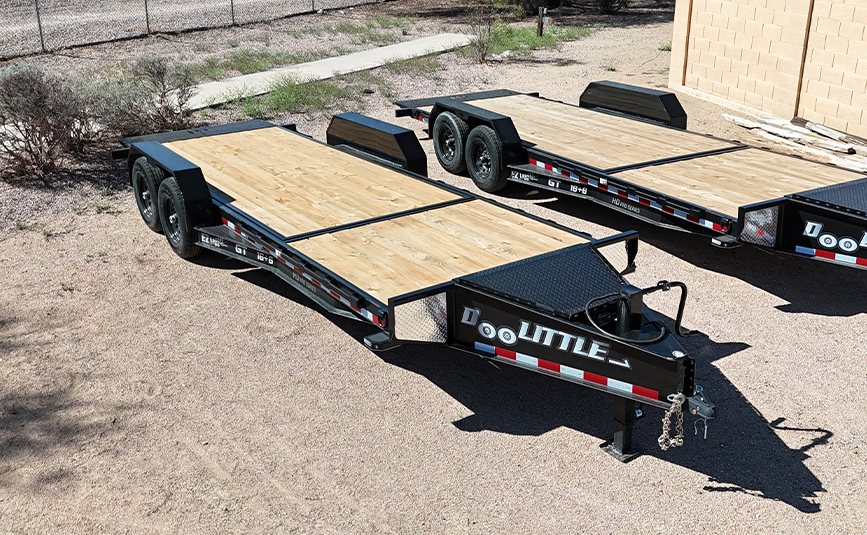
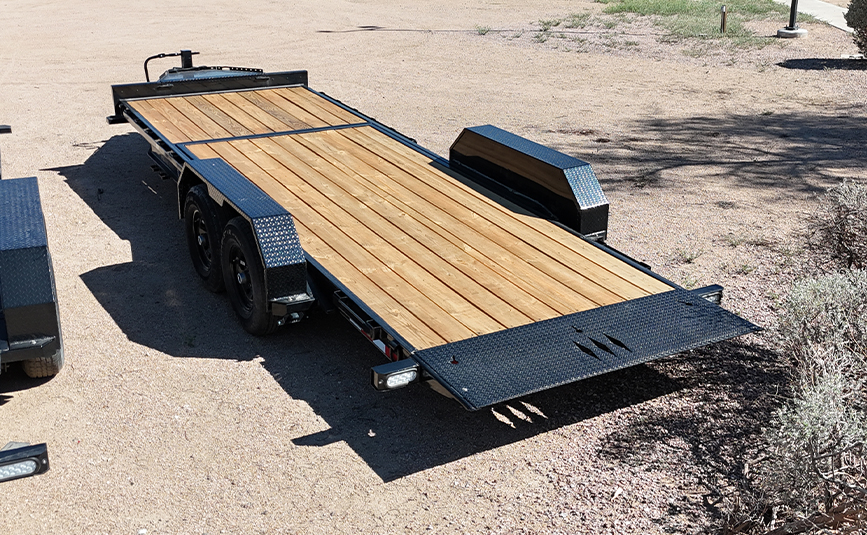
A strong example of a modern gravity tilt trailer is the Doolittle EZ Loader GT 16K tilt deck trailer available at Midco Sales.
This trailer combines easy-loading convenience with heavy-duty commercial construction, making it well suited for contractors and equipment operators.
Key features include:
- 22′ overall length
- 16′ tilt deck
- 16,000 lb GVWR
- Tandem 7,000 lb axles
- Double electric brakes
- Spring suspension
- Radial tires
- 10K drop leg jack
- Lockable toolbox
- Heavy-duty jeep-style fenders
- LED lighting
- 5-year structural warranty
The gravity tilt design allows operators to load equipment quickly without dealing with heavy ramps, while the commercial-grade construction helps support long-term durability.
Is a Gravity Tilt Trailer Worth It?
For many contractors, the answer is yes.
A gravity tilt trailer can simplify equipment hauling, improve loading efficiency, and reduce the inconvenience associated with traditional ramps. While every hauling application is different, gravity tilt trailers continue to grow in popularity because they offer a practical combination of convenience, simplicity, and durability.
For operators who frequently load compact equipment and want faster, lower-maintenance operation, a gravity tilt trailer can be an excellent long-term investment.


