
Understanding the Role of a Repo Truck
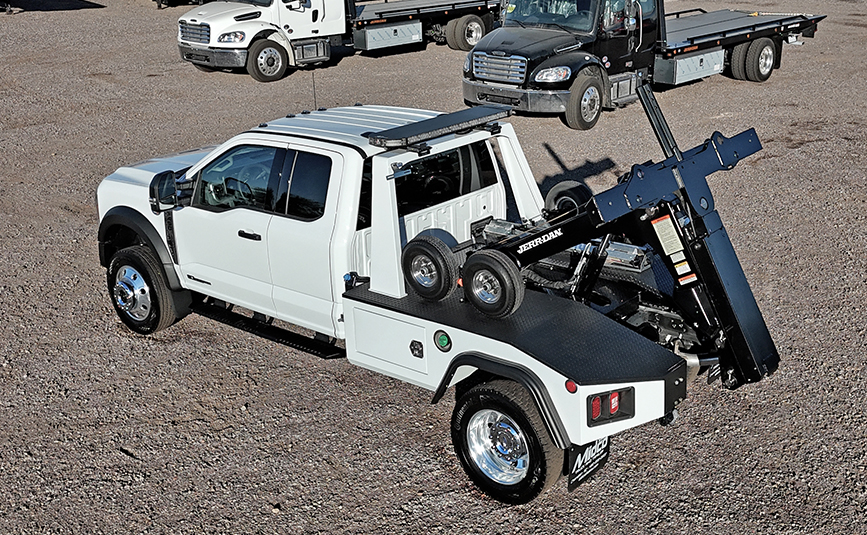
A repo truck — short for repossession truck — is a specialized tow truck designed to quickly and efficiently recover vehicles, typically for banks, finance companies, dealerships, and recovery agencies. Unlike traditional tow trucks, repo trucks are built for speed, maneuverability, and minimal vehicle handling time, making them the preferred tool for professional recovery operators.
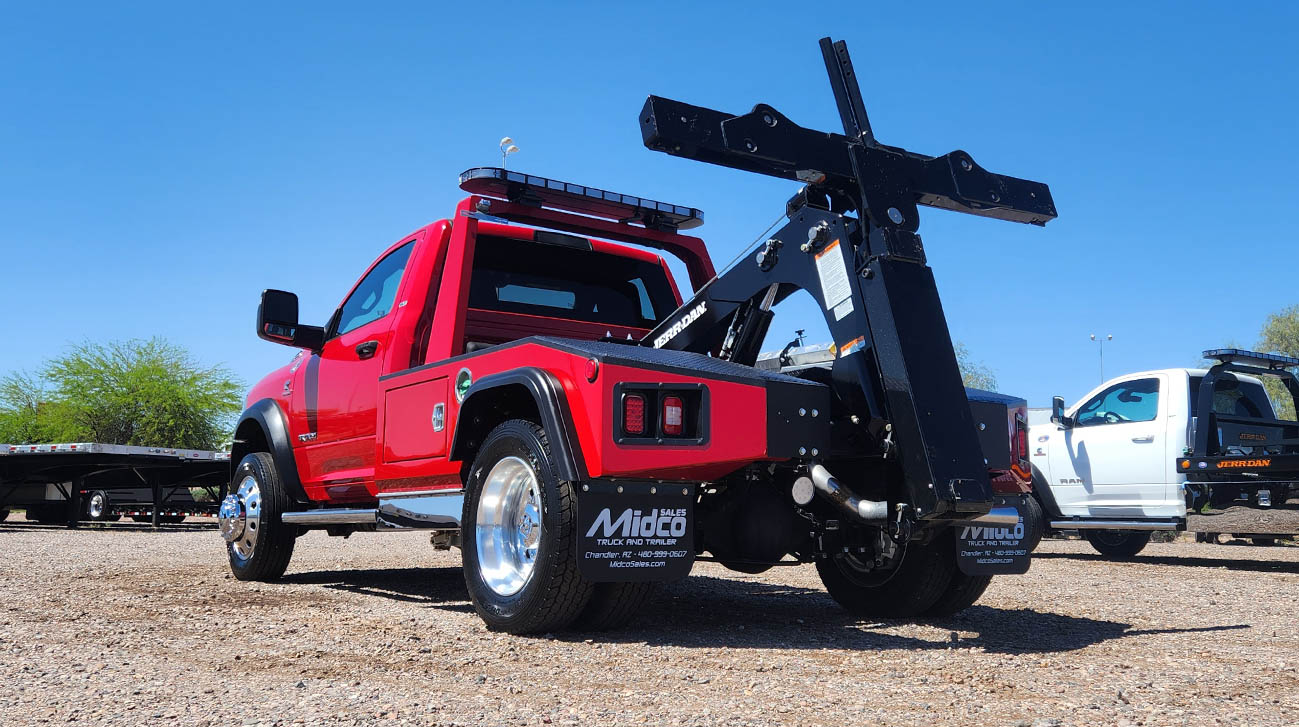
These trucks are most commonly equipped with a self-loading wheel-lift system, allowing a single operator to secure and tow a vehicle in seconds without leaving the cab in many situations.
How a Repo Truck Works
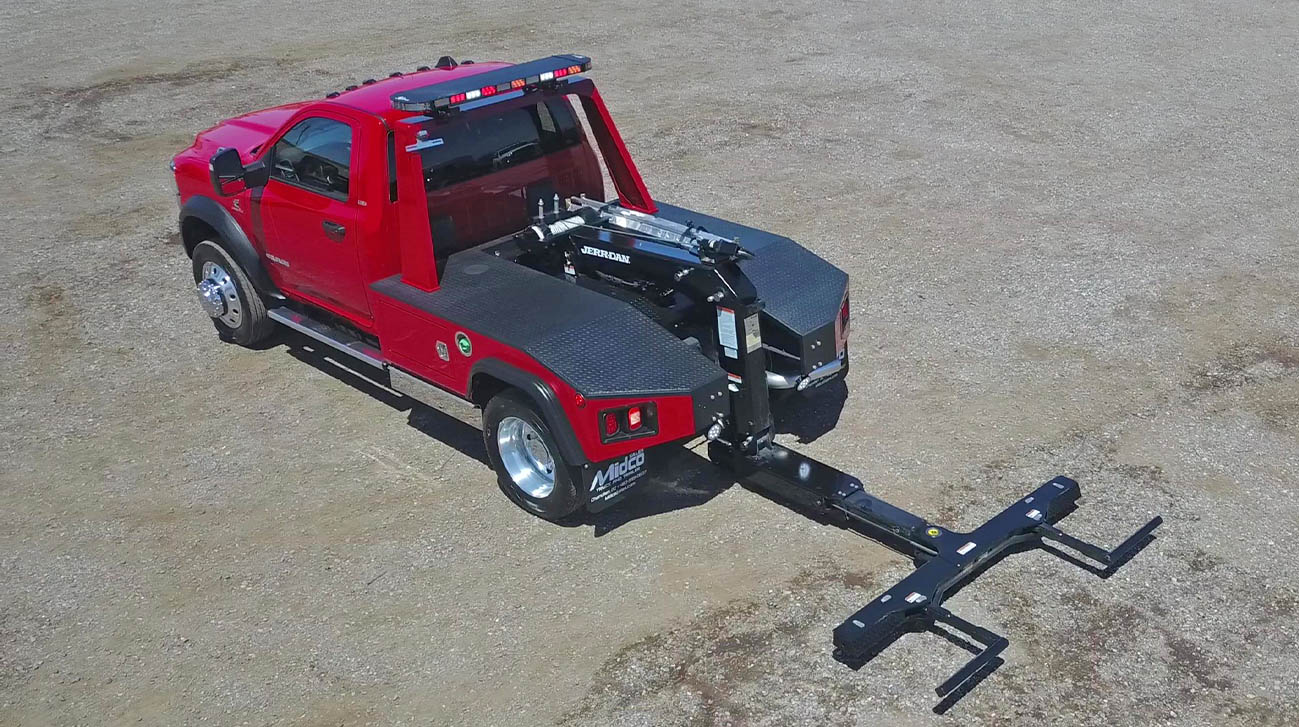
Repo trucks use a hydraulic wheel-lift that slides under the front or rear wheels of a vehicle. Once positioned, L-arms or wheel grids secure the tires, and the hydraulic system lifts the vehicle off the ground for transport.
This design allows operators to:
-
Recover vehicles quickly
-
Operate safely in tight spaces
-
Minimize damage risk
-
Perform single-operator recoveries
-
Work efficiently in urban environments
Key Components of a Repo Truck
Self-Loader Wheel Lift
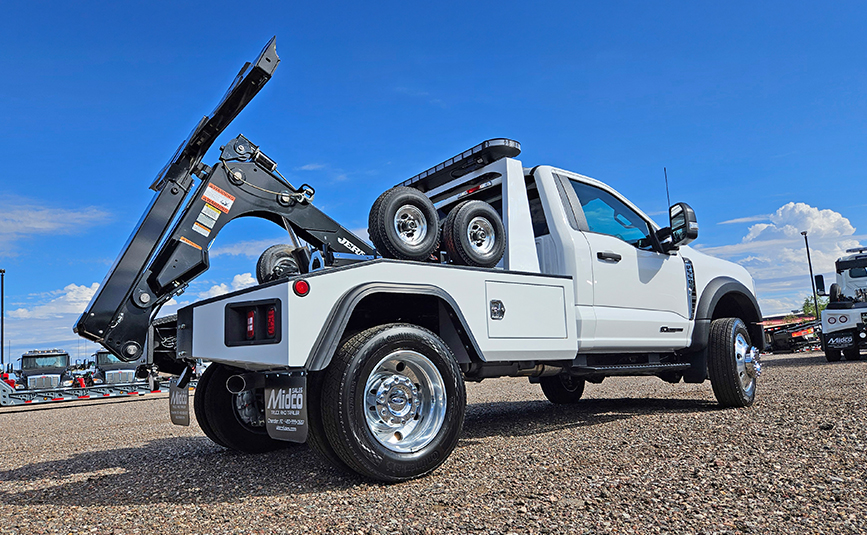
The defining feature of a repo truck is the integrated self-loader system, which allows fast hookups without manual winching in most scenarios.
Hydraulic Controls
Hydraulics power the lift and extend/retract functions, giving precise control during recovery.
Winch System
Most repo trucks include a winch for vehicles that cannot roll freely.
Heavy-Duty Chassis
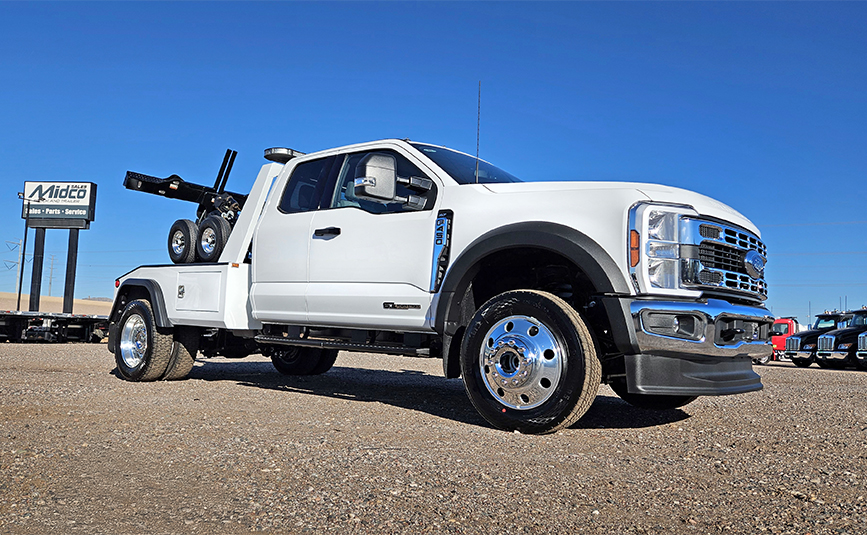
Common platforms include trucks like the Ford F-450, which provide the strength and durability needed for daily recovery work.
Tool Storage
Lockable compartments store straps, chains, and recovery equipment.
Repo Truck vs Traditional Tow Truck
| Feature | Repo Truck | Flatbed Tow Truck |
|---|---|---|
| Primary Use | Vehicle repossession | Vehicle transport |
| Hookup Speed | Very fast | Moderate |
| Operator Needed | One | Often one |
| Best For | Tight spaces, quick recovery | Long distance transport |
| Loading Method | Wheel lift | Full deck |
While flatbeds are ideal for transporting damaged or specialty vehicles, repo trucks excel in quick recoveries and everyday towing tasks.
Why Repo Trucks Are Popular in the Recovery Industry
Repo trucks have become a staple in the towing and recovery industry because they offer a combination of efficiency, versatility, and lower operating costs compared to larger tow vehicles.
Key advantages include:
-
Faster job completion
-
Lower fuel consumption vs heavy wreckers
-
Easier maneuverability
-
Ideal for high-volume recovery work
-
Reduced labor requirements
Common Uses for Repo Trucks
Repo trucks are used across multiple industries, including:
-
Auto repossession companies
-
Finance and lending institutions
-
Dealership recovery operations
-
Parking enforcement
-
Municipal towing
-
Light-duty towing services
What Makes Modern Repo Trucks More Advanced
Today’s repo trucks feature improved hydraulics, stronger wheel-lift capacities, better lighting, and enhanced operator controls. Modern systems like integrated self-loaders allow for smoother operation and increased reliability in demanding environments.
Who Should Buy a Repo Truck?
A repo truck is ideal for:
-
Starting a repossession business
-
Expanding a towing fleet
-
Dealership recovery operations
-
High-volume urban towing
-
Contractors working with lenders
Frequently Asked Questions About Repo Trucks
What is the difference between a repo truck and a wrecker?
A repo truck is a type of light-duty wrecker designed specifically for fast vehicle recovery using a wheel-lift instead of a boom.
Can a repo truck tow all vehicles?
Repo trucks are best suited for passenger vehicles and light-duty trucks within their wheel-lift capacity.
Do repo trucks require special training?
Operators should be trained in recovery procedures, safety protocols, and equipment operation.
Final Thoughts
Repo trucks play a vital role in the towing and recovery industry by providing fast, efficient vehicle recovery capabilities. With their self-loading wheel-lift systems and durable chassis platforms, they remain one of the most practical and cost-effective tools for recovery professionals.
Whether you’re starting a recovery business or expanding your fleet, understanding how repo trucks work is the first step toward choosing the right equipment.


